
Weed Removal in Brampton, Milton & the GTA
Lawns, garden beds, walkway cracks, fence lines and the strip down the side of the house nobody looks at. We pull weeds out by the root across Brampton, Milton, Oakville and Mississauga, then deal with the bare soil that let them in. That second part is the one most people skip.
Ontario banned cosmetic weed spraying in 2009. Any company still promising you a chemical fix for a residential lawn is either breaking the law or selling you something that only burns the leaves. What that means for your yard.
What We Clear
Most weeding calls are one of these three jobs. Tell us which one sounds like your yard and we can usually quote from photos.

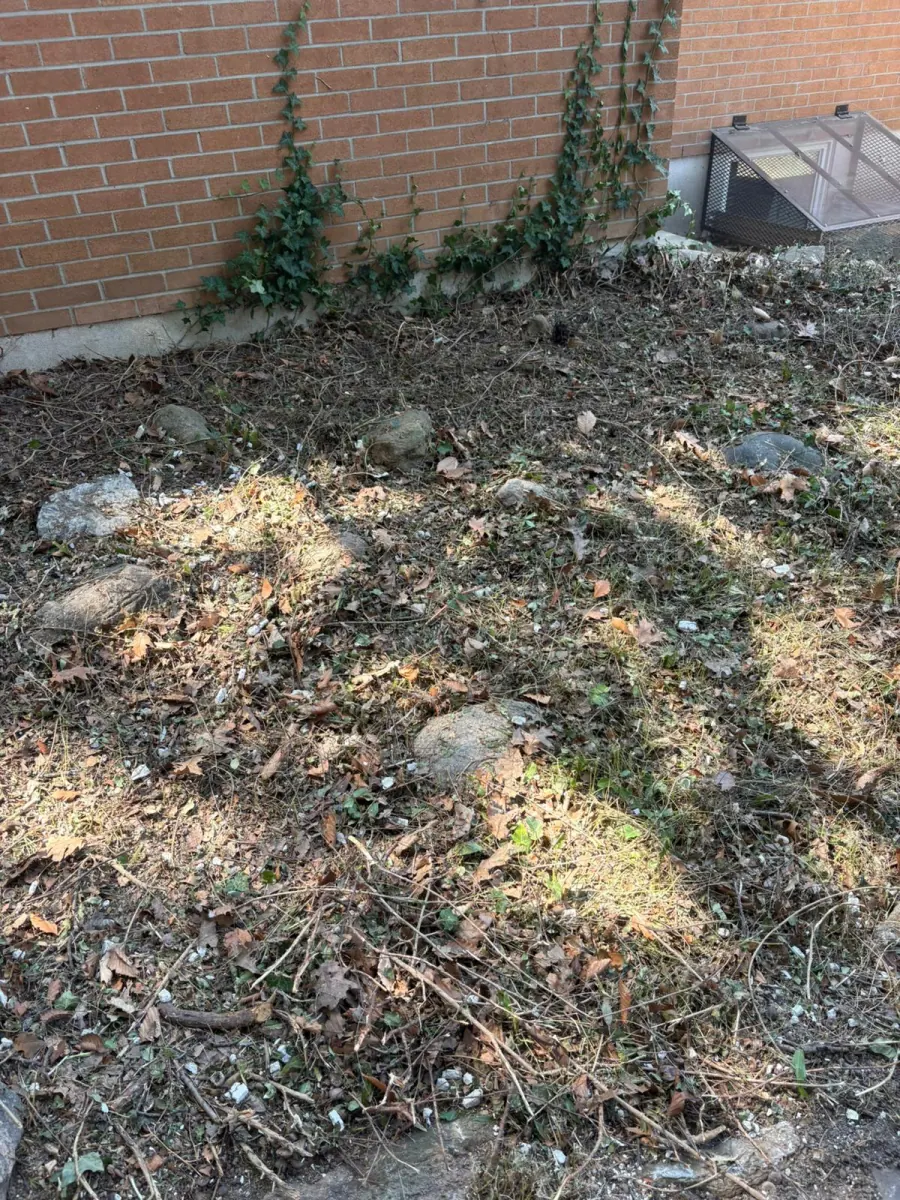
Garden Beds & Side Yards
Beds that have gone a season or two without attention, and the narrow strip along the house where ivy climbs the brick and leaves pile up. We work by hand around your perennials so nothing you planted gets pulled by mistake, edge the bed back to its line, and finish with mulch if you want the result to hold.
Lawn Weeds
The usual southern Ontario line-up. Each one needs a different approach — a dandelion needs the whole taproot or it grows back doubled, while creeping Charlie has to be lifted in sheets because every node it left behind will root again.
- check Dandelion & broadleaf plantain
- check Creeping Charlie & wild violet
- check Crabgrass & quackgrass
- check Thistle, purslane & bindweed
Walkways, Driveway Edges & Fence Lines
The cracks between pavers, the gap where the driveway meets the lawn, and the run along the back fence. These are the spots that make an otherwise tidy property look neglected from the street, and they are quick work when they get caught early.
We pull and edge. We don’t lift, relay or repair the hardscaping itself, so if the pavers have shifted badly enough that the joints keep opening up, you need an interlock contractor. We’ll tell you that rather than take the job.
Ontario Banned Cosmetic Weed Killer in 2009
This surprises a lot of homeowners, so it’s worth saying plainly. Since 2009 it has been illegal in Ontario to use or sell pesticides for cosmetic purposes on lawns, gardens, patios and driveways. Glyphosate and 2,4-D — the active ingredients most people picture when they think “weed killer” — cannot legally be applied to a residential lawn by a homeowner or a contractor.
A short list of lower-risk products stayed legal: acetic acid, fatty-acid soaps, corn gluten meal. They have their uses. What they don’t do is kill a taproot. They burn the leaves, the plant looks dead for about three weeks, and then it comes back from a root that was never touched.
Which leaves the method that worked before any of this was regulated: get a tool under the crown, lift the whole root, and then close the gap in the soil so the next seed has nowhere to land.
-
done_all
Pull the whole root Snapping a dandelion at the crown leaves the taproot to regrow, often with two or three heads instead of one. After rain, when the soil gives, is when they come out whole.
-
layers
Cover the bare soil Two to three inches of mulch over a cleaned bed blocks the light that weed seeds need. This is the single biggest thing that decides whether you are weeding again in a month or next season. See garden maintenance.
-
grass
Grow turf thick enough to crowd them out Weeds colonise thin, short, bare lawn. Cutting at three inches or higher shades the soil surface and does more for weed pressure over a season than any product you can legally buy. See grass cutting.

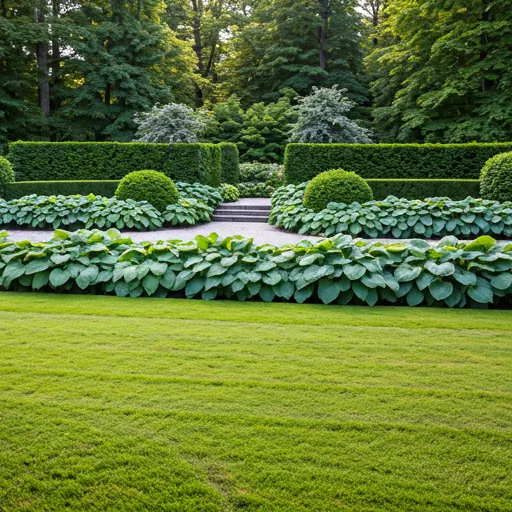
Thick turf is the only weed control Ontario never banned.
What “Weed Control” Actually Means Here
Search for weed control in Brampton and most of what comes back is a spray programme. On a residential lawn in Ontario that hasn’t been a legal option since 2009, so it’s worth saying what the words mean when we use them.
For us weed control is three jobs in order: pull what’s there with the root, cut off what feeds the next generation, and make the ground harder to colonise. Slower than a tank of herbicide, and the only version that is both legal and lasting.
Control, not eradication
No lawn in this province is permanently weed-free, and anyone promising that is selling something. The realistic target is a lawn where weeds are a small minority and stay that way — which takes a visit or two a season, not a one-off.
Timing does more than effort
The day after rain, while the soil still lets go, a taproot comes out whole and that plant is finished. The same weed pulled from dry ground snaps at the crown and is back in three weeks. Half of this job is turning up on the right day.
Density is the real control
Thick grass crowds weeds out on its own. Correct mowing height, overseeding the thin patches and mulch on the beds do more across a season than any single weeding visit — which is why weeding usually gets booked alongside the mowing rather than instead of it.
Four Weeds We Won’t Touch
Some plants are a specialist’s job, and pulling them yourself makes things worse or lands you in hospital. If we spot any of these on your property we’ll flag it, show you where it is, and tell you who to call.
These are also the cases where Ontario’s pesticide ban carves out a health and safety exception, which is another reason they belong with someone licensed to use it.
Weeding Is Usually Half the Job
Pulling weeds out of a bed you haven’t touched all summer leaves you with clean bare soil and nothing holding it. Most people book one of these at the same time.
Yard Cleanup
One visit for the whole property when it has gotten away from you — overgrowth, leaves, debris and weeds together.
local_floristMulching & Bed Care
The follow-up that keeps the bed clean. Two to three inches of mulch over freshly weeded soil cuts return visits dramatically.
grassRegular Grass Cutting
Cut high and cut often and the lawn does its own weed control. Weekly or biweekly, no contract to sign.
Why can’t you just spray the weeds?
Ontario banned pesticides for cosmetic use in 2009. On a residential lawn or garden, products like glyphosate and 2,4-D are off the table no matter who is holding the sprayer. A short list of lower-risk products stays legal — acetic acid, fatty-acid soaps, corn gluten meal — but they burn off the top growth and leave the taproot alive, so the weed is back in three weeks. Pulling the root is the part that lasts.
What does weed removal cost?
It depends on the square footage, how long it has been since the last weeding, and whether we’re working in lawn or in beds. A bed nobody has touched in two years takes several times longer than one that was clean in the spring. Every job has a two-hour minimum. Text a few photos to (416) 806-2673 and you’ll get a firm number, usually the same day.
How long until the weeds come back?
Some always return — every square foot of soil in southern Ontario holds a seed bank, and neighbouring yards keep restocking it. What changes the timeline is what happens after the pull. Bare soil grows weeds again in weeks. Two to three inches of mulch over a cleaned bed, or turf thick enough to shade the ground, buys months instead.
Do you use Roundup or any chemicals?
No. Weeds come out by hand and by tool, root and all. Beyond the fact that cosmetic spraying is illegal in Ontario, hand removal is what works on a taproot, and it doesn’t put anything on ground where kids, dogs or vegetables are.
Where do the weeds go?
Into kraft yard-waste bags and out to the curb for regional collection — Peel for Brampton and Mississauga, Halton for Milton and Oakville. Nothing is left piled behind the shed. Seed heads get bagged rather than composted on site so the problem doesn’t restart next season.
What’s the difference between weed control and weed removal?
In most of the industry, weed control means a spray programme and weed removal means pulling. In Ontario the spray version isn’t legal on a residential lawn, so here they are the same job: weeds pulled with the root, beds edged and mulched, and the lawn thickened so there is less room for the next lot. If someone offers you a weed control programme for a Brampton lawn, it is worth asking what is in the tank.
When is the best time to have weeding done?
Before they set seed. One dandelion that goes to seed is a few thousand more next spring, so late summer weeding pays for itself in April. Perennial roots pull cleanest after rain when the soil is soft. Spring is the other strong window, once the ground thaws and before everything flowers.
Weeding Across the West GTA
Same person every visit, seven days a week, 7am–7pm.
Get a Free Weeding Quote
Send a couple of photos and you’ll get a firm number back, usually the same day. Every job has a two-hour minimum.
Photos price it faster than a visit. Beds, lawn, walkway joints — whatever has got away from you.
- Hand-pulled at the root — no spraying, which is the law here
- Everything bagged and off the property the same day
- 72 five-star reviews, nothing below five
Request a Free Quote
A few details is all it takes.