
Soft Landscaping in Brampton, Milton & the GTA
Sod installation, planting design, garden bed creation, mulching, perennial & shrub planting. Anything that’s alive and growing — we plant it. Anything that’s poured concrete or interlocking stone — we honestly recommend a hardscape specialist instead.
Our Focus Area
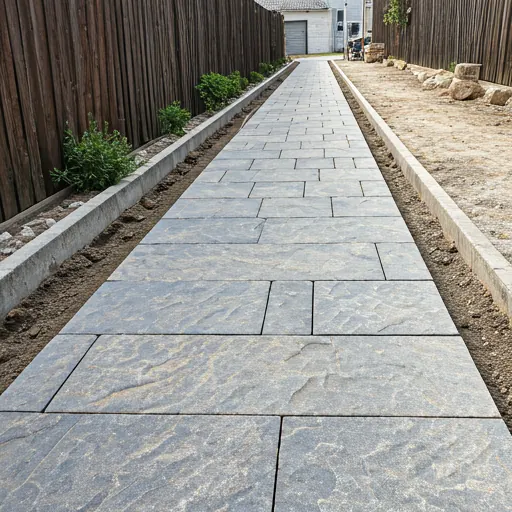
‘Soft’ landscaping is the living half: sod, plants, soil, mulch, beds. (The ‘hard’ half is patios, walls, and pavers — we don’t do that, and you should hire a specialist for it.) Specialising means we get the planting depths, soil prep, and species pairings right the first time.
What We Do
-
check_circle
New Garden Beds Design, edging, and preparation of entirely new planting areas.
-
check_circle
Planting & Shrubs Expert selection and installation of climate-appropriate flora.
-
check_circle
Premium Mulch Delivery & Install Fresh, high-grade mulch to protect roots and enhance aesthetics.
-
check_circle
Fresh Sod Installation Old turf removed, soil graded and amended, premium Kentucky Bluegrass / fescue blend laid — best installed in May or September for Ontario establishment.
What We Don't Do
To maintain our standard of excellence in living landscapes, we do not undertake hardscaping or structural construction projects.
- cancel Interlocking Pavers & Patios
- cancel Wooden Decks & Fences
- cancel Retaining Walls & Concrete Work
Recent Transformations
View Full Gallery arrow_forward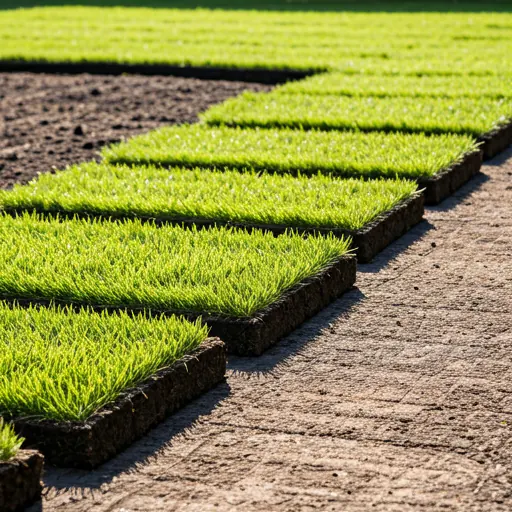
Complete Sod Replacement
Oakville residence. Removed weed-infested turf, graded topsoil, and installed premium Kentucky Bluegrass.
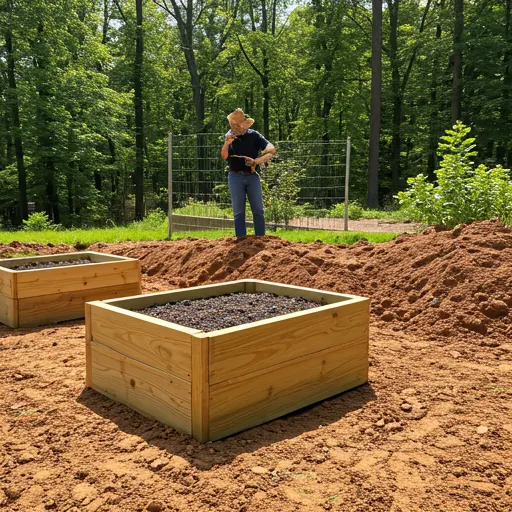
Front Entrance Garden Refresh
Milton property. Drought-tolerant perennial bed (Russian sage, black-eyed Susan, sedum, ornamental grasses) designed for full sun and minimal watering once established.
Three Materials, Three Different Jobs
Almost every soft landscaping job is some combination of turf, mulch and plants. They fail for different reasons and they have different best months, so it is worth taking them one at a time.
Turf
New sod, overseeding a thin lawn, or cutting out dead patches. Which of the three you need is usually not the one people assume, and the gap between them is a lot of money.
Sod & lawn repair arrow_forwardMulch
The cheapest thing you can do to a bed and the one with the biggest return. Holds moisture, keeps soil temperature steady, and denies weed seeds the bare ground they need to start.
Spring or fallPlants
Perennials, shrubs and bed planting, chosen for the light and soil they are actually going into rather than for how they look on the day at the nursery.
Spring or early fallMulch Does More Than Tidy the Beds
Most people book mulch because beds look better with it, which is true. The useful part is what it does for the six months afterwards.
A properly mulched bed needs a fraction of the weeding an unmulched one does. On a garden that gets regular visits, it pays for itself in the time it takes off every subsequent visit.
Depth is the whole thing
Two to three inches. Thinner than that and light still reaches the soil, so weeds germinate straight through it and you have paid for decoration. Much thicker and it holds water against stems and starts rotting them.
Not piled against the stems
Mulch heaped up around a tree trunk — the volcano you see on a lot of commercial properties — keeps bark permanently wet and invites rot and rodents. It gets pulled back from trunks and crowns, every time.
Weeded first, not mulched over
Mulch laid over an existing weed problem buys a few weeks. Established perennial weeds push straight back through it, so beds get cleared properly first and mulched second.
Planting That Is Still There in Three Years
The most common reason a new planting fails around here is not neglect. It is a plant that was never going to work in that spot — sun-lover under a maple, something tender in a windy front corner, a shrub that wants drainage put into heavy clay.
So the conversation starts with where it is going and what the ground is like, not with a catalogue. If you have your heart set on something that will struggle, you will be told before it goes in rather than after it dies.
Planted at the right depth
Too deep is the quiet killer of shrubs. The root flare sits at soil level, the hole goes wider than the pot rather than deeper, and the roots get teased out instead of left in the shape of the container.
Soil improved, not replaced
Compost worked into what is already there. A pocket of perfect soil in a clay bed just makes a bathtub that roots refuse to leave.
Early fall is a good time
Warm soil and cooling air means roots establish without the plant fighting summer heat. Spring works too. Midsummer planting is possible but needs watering most people cannot sustain.
Common Questions
If yours is not here, text a photo of the area and ask.
Get a Free Quote arrow_forwardWhat is the difference between soft and hard landscaping?
Soft landscaping is the living half — turf, plants, soil, mulch, beds. Hard landscaping is the built half: patios, retaining walls, interlock, steps, decks. Only the first is on offer here. If a job needs both, the hardscaping goes first and someone else does it, because planting around fresh construction wastes the planting.
How much mulch will my beds need?
Rough arithmetic: one cubic yard covers about 100 square feet at three inches deep. A typical front bed runs one to two yards. Send measurements or a photo with something for scale and you will get both the quantity and the price.
Do you supply the plants or do I buy them?
Either. Plenty of customers enjoy choosing their own and just want them put in properly. If you would rather they were sourced for you, that works too — you will get told what is going in and why it suits the spot before anything is bought.
When is the best time of year for this work?
Spring and early fall for almost all of it. September in particular is the best window of the year for sod and overseeding in Ontario — warm soil, cool air, reliable rain. Mulch can go down any time the ground is not frozen.
Can you take away what comes out?
Old turf, spent plants and garden waste, yes — bagged for yard-waste collection. What does not go is construction debris, old paving or anything the city will not take, which is a junk-removal job rather than a landscaping one.
Get a Free Quote
Sod, mulch, beds and planting. Send a photo and rough measurements and you’ll get a firm number back, usually the same day.
Soft landscaping only. No patios, walls, interlock or decks — if that is what you need I’ll say so and point you at someone who does it.
- September is the best sod and seeding window in Ontario
- Owner-operated: the same person on your property every visit
- 72 five-star reviews, nothing below five
Request a Free Quote
A few details is all it takes.